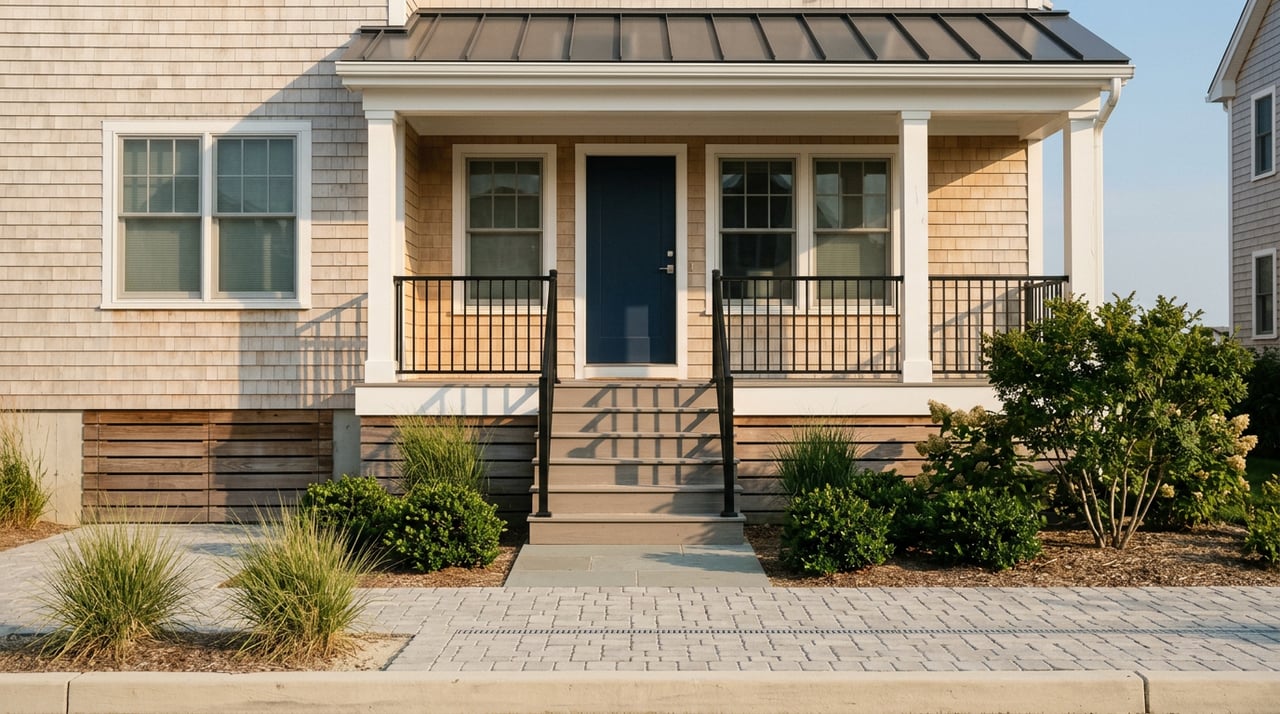
What if your beach place were an easy three-hour drive from 21704? If you live in greater Frederick and want a second home or future retirement spot, Coastal Delaware delivers ocean air, state parks, and lively towns without a long flight. In this guide, you’ll learn the real travel time, how each beach town feels, what you can buy, and the key rules around taxes, rentals, flood, and insurance. You’ll also get a practical checklist to start your search with confidence. Let’s dive in.
How far it is from Frederick
You can reach the Delaware beaches in about one long podcast and a coffee stop. From Frederick to central Rehoboth Beach is roughly 150 to 160 miles, typically around a 3-hour drive in off-peak times. Summer weekends can add time, so plan for 3 to 4 hours on busy Saturdays or holidays. You can confirm the distance and time using a route tool that compares options from Frederick to Rehoboth Beach. For a quick reference, see the drive distance from Frederick to Rehoboth Beach on Travelmath.
- Typical distance: about 150 to 160 miles
- Typical time: around 3 hours off-peak, longer in peak summer
- Tip: Arrive early or later in the day to avoid midday backups on DE-1
Once you get there, summer parking rules apply in most towns. Rehoboth, for example, uses meters and seasonal permits and posts details about zones, meters, and kiosks on the city’s parking page. If you prefer to park once and skip beach traffic, Delaware’s DART First State runs seasonal Beach Bus service that connects park-and-ride lots, the Lewes Transit Center, and local beach routes. This can be a stress-saver on crowded weekends.
- Consider the DART Beach Bus for park-and-ride convenience
- Check Rehoboth’s municipal guidance for seasonal parking rules
Choose your beach town
Coastal Delaware is a string of distinct communities. Each one offers a different pace, layout, and everyday rhythm. Here’s a quick feel for the main towns from north to south.
Lewes
Lewes blends a historic small-town core with marinas, canal access, and close proximity to Cape Henlopen State Park. You’ll find tree-lined streets near the center, plus newer planned communities as you move inland. If you picture year-round living with easy access to trails, bays, and beaches, Lewes’ parks and quieter streets make it a strong fit for a balanced coastal lifestyle.
Rehoboth Beach
Rehoboth is the region’s dining and retail hub, anchored by a mile-long boardwalk and a dense mix of restaurants and shops. It stays active year-round and surges late May through September. If you want walkable amenities and classic boardwalk energy, explore Rehoboth’s downtown and nearby neighborhoods. For a sense of the scene, browse a boardwalk overview from a local tourism page.
Dewey Beach
Dewey is compact, highly walkable, and known for live music and nightlife in summer. With the ocean and bay a short walk apart, it feels like a classic beach strip town with seasonal events and a lively weekend rhythm. If you want a place you can park and forget the car, Dewey’s footprint makes that possible in peak season.
Bethany Beach and Fenwick Island
South of Rehoboth and Dewey, Bethany and Fenwick offer a calmer pace, smaller-scale commercial areas, and a relaxed beachfront experience. You’ll see a mix of oceanblock condos, townhomes, and single-family streets, along with bayside and canal neighborhoods. Many buyers who want a quieter beach day gravitate to these stretches.
What you can buy
You have a full menu of property types, from low-maintenance condos to statement-making oceanfront homes. Your best fit depends on how you plan to use the home and how much time you want to spend on upkeep.
- Condos and oceanblock units. Popular for easy weekend use and lock-and-go living. Expect HOA or condo fees that may include exterior maintenance, insurance, elevators, pools, and sometimes beach or dune stewardship. Always review rental rules, pet policies, and any upcoming special assessments.
- Single-family beach houses. These range from modest cottages to newly built luxury properties. You gain privacy and space, and you also take on higher carrying costs for insurance, exterior maintenance, and systems.
- Bayside, canal, and inland communities. Often more attainable than direct oceanfront locations, these areas can provide boat access, community amenities, and year-round neighborhood services. Many inland subdivisions feel similar to suburban living near Frederick while keeping you a short drive from the sand.
Prices vary widely by micro-location. Oceanfront and oceanblock homes trade at a premium, while bayside and inland neighborhoods can offer more space at a lower price point. In small resort towns, median prices can swing month to month based on just a few sales. If you want current figures for a specific town or neighborhood, ask for a live data pull before you book showings.
Costs, taxes, and rentals
Delaware is known for having no statewide sales tax. That can make everyday shopping and outfitting a second home feel more affordable, especially near the Rehoboth outlets and local retailers.
Short-term rentals are common along the coast, and they come with rules. The state administers lodging taxes and implemented a short-term rental lodging tax of 4.5 percent for bookings on or after January 1, 2025. Municipalities may also require a local rental license, registration, inspections, and separate local lodging taxes. Because local rules change, check the specific town’s licensing and finance pages before you plan any rentals and confirm how state and local taxes are collected and remitted.
- State policy: see Delaware’s short-term rental tax guidance
- Local layer: confirm the town’s STR license, safety requirements, and any local lodging taxes
Property taxes in Sussex County are historically low compared with many parts of the country, though actual taxes vary by property and assessment. Sussex has completed reassessments in recent years, so review the county’s latest assessed value and millage rates when you budget. A county-focused resource on Delaware property tax appeals explains how Sussex calculates bills and why reassessments matter.
Flood, insurance, and utilities
Coastal homes require a closer look at elevation, flood zones, and insurance. Many properties are evaluated on FEMA flood maps, and a lender will require flood insurance if the home sits in a Special Flood Hazard Area. Even outside mapped high-risk zones, premiums can be higher near the ocean or bay.
Rehoboth Beach publishes local flood management information and participates in the National Flood Insurance Program’s Community Rating System. That program can provide premium discounts to policyholders when a community meets higher floodplain management standards. You can find local floodplain guidance and contacts on Rehoboth’s flood management page.
For broader context, NOAA notes that high-tide or nuisance flooding is increasing along the Mid-Atlantic coast and is expected to occur more often later this century. When you evaluate a property, ask for the elevation certificate, check recent flood history, and talk to an insurance specialist experienced with coastal policies.
Utilities and services differ by location. Inside town limits, many homes connect to municipal water and sewer. In some inland or less dense areas, private wells and septic systems are common. Always verify utility service, any required tie-ins, and any open permits or maintenance requirements before you write an offer.
Seasonal rhythm and local life
Peak visitor season runs from Memorial Day through Labor Day. You will see expanded DART Beach Bus service, guarded beaches, and seasonal restaurants and shops operating full schedules. Shoulder seasons in late spring and fall can be a sweet spot if you like open businesses, lighter traffic, and mild weather.
Some areas also have seasonal beach access changes to protect wildlife and habitats. For example, Delaware closes parts of Cape Henlopen State Park’s Point for nesting bird season each year. If you love to hike or fish specific spots, check seasonal notices before you plan a trip.
Trip and search checklist
Use this quick list to move from daydream to due diligence.
- Confirm your door-to-dock timing. Frederick to Rehoboth is roughly 150 to 160 miles and around a 3-hour drive in off-peak times. Plan extra time on peak weekends.
- Park smarter in summer. Review Rehoboth’s seasonal parking rules and consider the DART Beach Bus from a park-and-ride to skip circling for a spot.
- Visit in two seasons. Tour in peak summer to understand crowds and parking, then return in the off-season to feel the year-round rhythm.
- Pick your lifestyle first. Decide whether you want walkable boardwalk energy, a compact beach strip, or a quieter vibe with smaller commercial areas.
- Match property type to maintenance. Condos simplify weekend use. Single-family homes offer space and privacy with more upkeep. Bayside and inland options often balance value and convenience.
- Check flood and elevation early. Ask for the elevation certificate and verify the FEMA flood zone. Review the city’s flood management resources and discuss insurance with a coastal specialist.
- Clarify rentals upfront. Read the HOA or condo documents, confirm whether the town requires a rental license, and review the state’s 4.5 percent short-term rental lodging tax.
- Budget with current assessments. Look up the latest assessment and estimate your Sussex County property tax bill before you set a max offer.
How the Allwein Team helps
Buying a beach place from Frederick is simpler when your agent understands both markets. Our team is based in downtown Frederick and actively supports second-home and coastal purchases in Delaware. We help you:
- Narrow the right town fit based on how you want to use the home
- Compare property types, HOA rules, and likely carrying costs
- Coordinate local vendors for inspections, insurance quotes, and maintenance
- Set up a tailored search with new-listing alerts and remote tour options
- Manage the offer, negotiation, and closing details so your weekends stay fun
Ready to map the best path from 21704 to the sand? Reach out to schedule a planning call with Stacy Allwein. We’ll help you define your target towns, set a smart budget, and start a focused search.
FAQs
How long is the drive from Frederick 21704 to Rehoboth Beach?
- It is roughly 150 to 160 miles and typically about 3 hours in off-peak times, with longer travel on summer weekends. You can verify distance and route options using a drive-time tool like Travelmath.
Are short-term rentals allowed in Coastal Delaware towns?
- Many owners do short-term rentals, but rules vary by town. Delaware applies a 4.5 percent short-term rental lodging tax to bookings on or after January 1, 2025, and most towns require a local rental license and compliance with local rules. Review the state’s guidance and check the specific town’s licensing page.
Do I need flood insurance for a beach-area home?
- If the home is in a FEMA Special Flood Hazard Area, a lender will require flood insurance. Even outside those zones, premiums near the ocean or bay can be higher. Review the city’s flood management resources and consult an insurance specialist with coastal experience.
Which property type works best for weekend use at the Delaware beaches?
- Condos and small cottages reduce maintenance and simplify lock-and-go living. Single-family beach houses offer more space and privacy but usually require higher budgets for insurance and upkeep. Bayside and inland homes can balance price, parking, and year-round convenience.
How does summer parking work in Rehoboth Beach?
- Rehoboth uses meters and seasonal permits with posted rules and zones. Review the city’s parking information and consider using the DART Beach Bus from a park-and-ride during peak weekends.
What months are the busiest at Coastal Delaware beaches?
- The peak season runs from Memorial Day through Labor Day, with expanded transit services and full schedules at many businesses. Shoulder seasons in late spring and fall are typically quieter and still active.
Drive distance: Frederick to Rehoboth Beach
Rehoboth Beach boardwalk overview
DART Beach Bus seasonal service
Rehoboth Beach parking information
Delaware short-term rental tax guidance
Rehoboth Beach flood management resources
NOAA high-tide flooding fact sheet