Thinking about making Downtown Frederick your home base? You are not alone. Many buyers are drawn to its walkable streets, historic charm and easy access to parks, dining and everyday errands. In this guide, you’ll learn what daily life looks like, what kinds of homes you will find, how you get around and the practical details that help you decide if downtown is right for you. Let’s dive in.
What everyday life feels like
Walkable, human‑scale streets
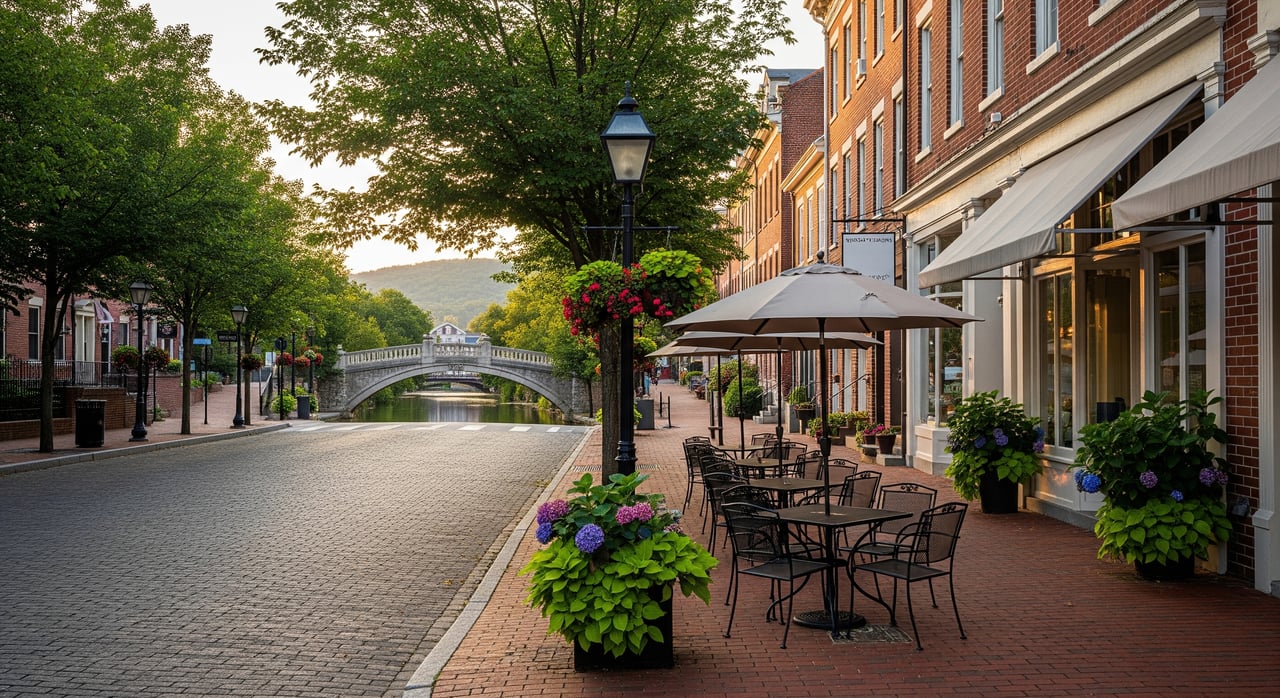
Downtown Frederick feels urban without being overwhelming. You can stroll along Market Street and East and West Patrick Streets to reach coffee, lunch, errands and evening plans. Historic brick facades, shop windows and tree‑lined sidewalks create a human‑scale setting that is easy to navigate. It is lively on evenings and weekends, yet more relaxed than a large city.
Dining, shops and a relaxed nightlife
You will find independent cafes, bakeries, mid‑ to higher‑end restaurants and casual bars. Specialty shops and local boutiques line the main streets, so it is simple to pick up gifts, books or a new piece of art. Weekends offer a steady brunch and dinner scene, while late‑night options are more limited than in a big metro. That balance suits buyers who want energy without round‑the‑clock intensity.
Arts, culture and community
Downtown supports performance venues, visual arts centers and galleries, along with community‑focused organizations. Monthly and seasonal events bring residents together for concerts, art walks and markets. Many activities gather around the public spaces along Carroll Creek and the central downtown blocks. If you enjoy a walkable arts scene and a connected community, you will feel at home.
Parks, green space and the creek
Two spaces anchor outdoor life. Carroll Creek Linear Park threads through downtown with a waterfront promenade, public art and event space. A short walk away, Baker Park offers larger green lawns, walking paths, a playground and summer concert traditions. On weekends, you can easily reach regional trails and historic sites for hiking and biking.
Housing and architecture
Home types you will see
Housing in and near downtown spans several styles. You will see historic rowhouses and brick townhomes that date back to the 18th and 19th centuries, alongside converted lofts and apartments in former commercial or industrial buildings. There are also condominium buildings and newer infill townhomes. Just beyond the core, single‑family houses sit within a short walk or quick drive of downtown streets.
Who downtown living fits best
Downtown has a mix of owners and renters, with many condos and smaller homes. This setup appeals to young professionals, couples, small households and retirees who want low‑maintenance living close to amenities. Buyers who prioritize historic character and walkability often start their search here. Families who center their plans around yard size or specific school programs sometimes choose nearby neighborhoods outside the immediate core.
Value drivers and maintenance to plan for
Several factors shape value downtown. Proximity to main streets, parks and cultural venues is important, as are views of Carroll Creek, the preservation and condition of historic features, and any off‑street parking or garage space. Layout and square footage also matter. If you purchase a historic property, plan for specialized maintenance and possible renovation considerations that may add cost and time.
Historic district guidelines and condos
Portions of downtown fall within a historic district. Exterior changes may be subject to architectural guidelines and a review process. Before you buy, confirm whether a property sits in a district or has a preservation easement, and learn what permits are required for planned work. If you are leaning toward a condo, factor in HOA fees and review what they cover, such as exterior maintenance, insurance and amenities, along with the community rules and budget.
Getting around and commuting
Walkability for daily errands
One of downtown’s biggest advantages is the ability to leave the car parked. Most everyday needs, including cafes, specialty markets, a pharmacy, the library and parks, are walkable from central blocks. Sidewalks and the Carroll Creek corridor support relaxed walking and casual biking. Some streets include bike markings, and availability of shared mobility programs can shift over time.
Transit, rail and highway access
Local bus service connects downtown to surrounding neighborhoods and regional stops. For longer commutes, commuter rail links Frederick with the Washington, D.C., region. Schedules and frequency can change, so always verify current service before you plan your routine. If you drive, downtown sits near major highway routes, and commute times vary by destination and time of day.
Parking and permits
Expect a mix of on‑street metered parking, municipal lots and parking garages near the busiest blocks. Some residences have private driveways or garages, while many condos and apartments rely on assigned or shared spaces. In some neighborhoods, residential permit parking applies. We recommend confirming how parking works on your block and what your monthly costs might be if you use a garage or permits.
Daily essentials and practical details
Groceries and daily shopping
Downtown is rich in specialty food shops, coffee and small markets. For bigger grocery runs and big‑box retailers, you will drive to nearby corridors just outside the core. A regular farmers market and specialty retailers offer local produce and goods, which many residents use for weekly staples.
Healthcare access
Hospital and medical facilities are reachable from downtown within a short drive. Urgent care and primary care offices are also nearby. Proximity to medical services is a frequent priority for buyers who want peace of mind or who are planning for aging in place.
Schools and higher education
Downtown addresses are within Frederick County Public Schools. School assignments vary by address, so verify boundaries and available programs for any property you are considering. A local college presence contributes to rental demand and adds to downtown activity and cultural life.
Utilities and internet
City and county utilities, including water, sewer, trash and recycling, serve downtown addresses. Pickup schedules and service rules are set by the municipal government, so check by address. Multiple internet, TV and phone providers are typically available, though availability of fiber or specific packages varies block by block.
Lifestyle tradeoffs to weigh
Noise and activity vs. convenience
Events, restaurants and nightlife bring energy, people and sound. That is part of the appeal, but it can mean busier weekends and more nighttime activity, especially on blocks close to main streets. If you prefer quieter evenings, consider homes a few streets off the core or visit target blocks during peak times to gauge your comfort level.
Space, storage and outdoor areas
Downtown homes often trade yard size for walkability. You will find patios, small yards and rooftop decks more often than large lawns. If you want extra storage or a workshop, look for properties with basements, carriage houses or garage options, or plan for off‑site storage.
Historic rules, floodplains and due diligence
If you plan to renovate a historic property, factor in review timelines and permitted materials early. In addition, some buyers check floodplain maps and local GIS tools to understand any insurance or permit implications near waterways. A little early research helps you avoid surprises and keeps your project on track.
How to explore like a local
- Start with a morning loop along Carroll Creek, then coffee on Market Street. Notice which blocks feel right to you.
- Return in the evening to gauge dinner crowds, parking availability and nighttime activity.
- Tour Baker Park on a weekend to see how you might use the green space for exercise or downtime.
- Visit during a community event to experience downtown’s arts and culture energy.
- Drive the main corridors for larger errands to estimate weekly travel time.
- If a property interests you, review historic district maps, parking rules and any HOA documents early.
- Verify school assignments by address and ask about available programs that match your needs.
Ready to make a move?
When you are exploring a lifestyle choice as personal as downtown living, local guidance makes all the difference. Our team works in the heart of Frederick every day and can help you weigh home types, maintenance needs, parking realities and commute options for your specific routine. If you want a walkable life without losing the comforts that matter to you, let’s map out a plan together. Book your free consultation with Stacy Allwein.
FAQs
What is daily life like in Downtown Frederick?
- Expect a walkable, small‑city feel with historic streets, independent shops and restaurants, cultural events and easy access to parks like Carroll Creek Linear Park and Baker Park.
What types of homes are available downtown?
- You will see historic rowhouses and brick townhomes, converted lofts and apartments, condos and newer infill townhomes, plus nearby single‑family homes just outside the core.
How does parking work if I live downtown?
- Parking combines on‑street meters, municipal garages and lots, and some residential permit zones, with certain homes offering private driveways or garages.
Is there commuter rail service from Frederick to D.C.?
- Yes, regional commuter rail connects Frederick to the Washington, D.C., area, but schedules and frequency change, so verify current service before planning your commute.
Are there HOA fees for downtown condos?
- Many condos include HOA fees that may cover maintenance, insurance and amenities, so you should review the budget, reserves and rules for each building.
What should I know about historic district rules?
- Portions of downtown are in a historic district where exterior changes may need design review and permits, so confirm requirements before starting renovations.
How close are healthcare services to downtown?
- Hospital facilities and medical offices are within a short drive, and urgent care and primary care options are nearby for everyday needs.
How can I verify school assignments for a downtown address?
- Use the school system’s address lookup and boundary maps to confirm the assigned schools and explore available programs for a specific property.