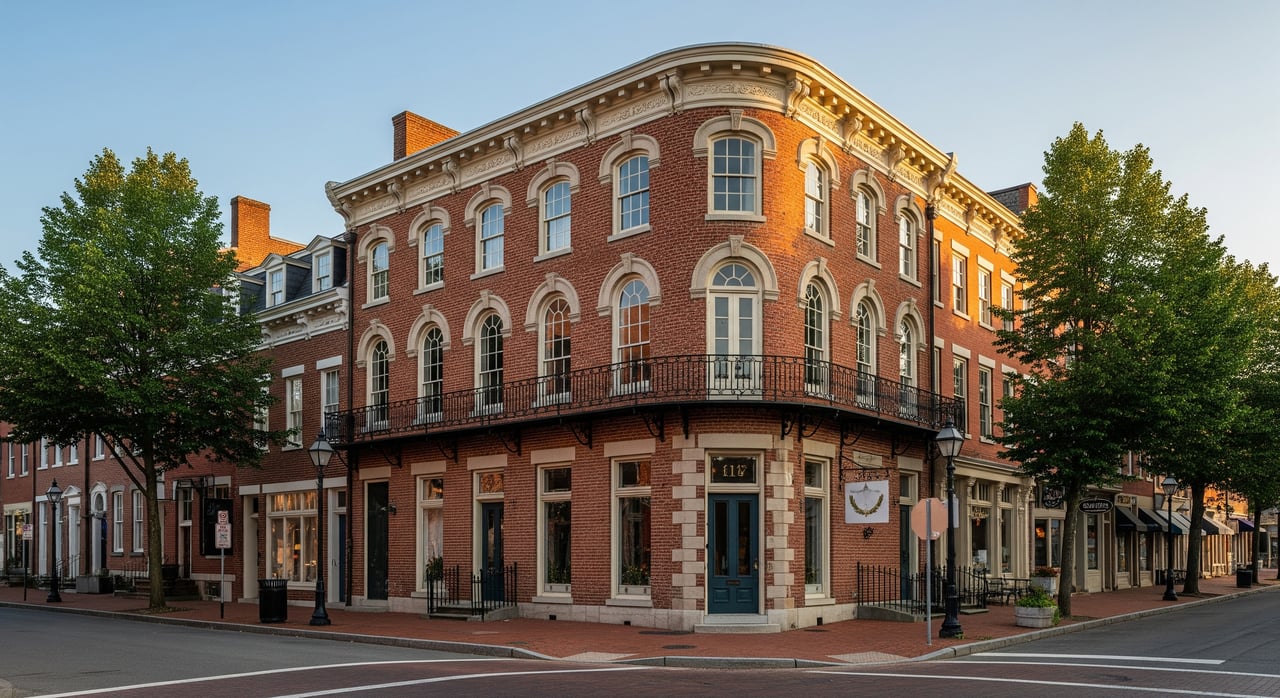
Thinking about updating a Downtown Frederick rowhome but not sure what needs approval first? You’re not alone. Owning in a historic district is a privilege, and it comes with a few extra steps to protect the character you love. In this guide, you’ll learn what typically triggers review, how the process works, realistic timelines, and smart planning tips for buyers and sellers. Let’s dive in.
What historic review covers
Who reviews and what standards apply
In Downtown Frederick, exterior changes are reviewed by the City of Frederick’s Historic Preservation Commission (HPC). The HPC uses local design guidelines informed by the Secretary of the Interior’s Standards for Rehabilitation and guidance from the Maryland Historical Trust. The goal is to preserve historic materials, form, and overall character.
What triggers review
Historic review generally applies to exterior changes visible from the public right of way. This often includes:
- Additions and new construction that alter massing or rooflines
- Window and door replacements on street-facing elevations
- Porches, stoops, railings, and steps
- Roofing changes and cornice details you can see from the street
- Masonry repair and repointing
- Siding or cladding changes, especially synthetic materials on primary facades
- Demolition and removal of character-defining features
- Signs and lighting for commercial properties
- Fences, paving, and site features visible from the street
What usually does not require review
Interior-only work typically does not require HPC review if it does not change the exterior appearance. Always confirm if interior work could affect visible features such as window openings or structural elements tied to the façade.
Projects that need approval
Additions and new construction
Additions that change the visible scale, roof shape, or massing are reviewed for compatibility. HPCs look at form, materials, and how much the work is visible from the street or alley.
Windows and doors
You’re encouraged to repair original windows and doors when possible. If replacement is approved, it often must match material, profile, muntin pattern, and operation. Vinyl on primary facades is commonly discouraged.
Porches, stoops, and railings
Original porch elements are highly protected. Any changes should respect historic proportions, columns, balustrades, and materials.
Roofing and cornices
Roofing that is visible from the street, as well as cornice details, is usually reviewable. Changes that alter the historic profile or add new roof features may require strong justification.
Masonry and repointing
Brick and stone repairs are closely reviewed. Mortar composition, color, and joint profile should match existing. Harsh cleaning or sandblasting is often flagged as inappropriate.
Siding and cladding
Synthetic siding on primary elevations is commonly discouraged or prohibited. Preserving historic brick or wood is the priority.
Paint color
Paint rules vary by jurisdiction. In Downtown Frederick, confirm with City staff whether paint on your property requires review before you start.
Signs, lighting, and site features
Commercial signage and exterior lighting typically need approval for size, placement, materials, and illumination. Front fences, paving, and retaining walls visible from the public way are also reviewed.
How the review process works
Step-by-step overview
- Pre-application chat with staff: Recommended to confirm if your work needs approval and what to submit.
- Application: Provide drawings, current photos, and a materials list. Include contractor or architect contacts when you have them.
- Staff vs. full HPC review: Minor, in-kind repairs may be approved administratively. Major changes, additions, or demolition go to a public HPC meeting.
- Public meeting and decision: The HPC can approve, approve with conditions, deny, or continue your case for more information.
- COA and permits: If approved, you receive a Certificate of Appropriateness (COA). Then you can apply for building permits and schedule the work.
- Inspections and compliance: Work is checked against the approved plans. Unauthorized work may trigger stop-work orders or fines.
Timelines to expect
- Administrative approvals: Often processed in days to about 2 weeks once the application is complete.
- Full HPC reviews: Plan for about 4-8 weeks from submission to decision for typical projects, longer if revisions are needed.
- Demolition or complex cases: Expect additional time due to documentation, public input, or required studies.
Tips to avoid delays
- Track meeting dates and submission deadlines. Missing one can push you back a month.
- Submit complete drawings, clear photos, and material samples.
- Use the pre-application meeting to spot issues early.
- Be open to conditions, such as shifting work to less visible elevations or using approved alternate materials.
Buyer due diligence checklist
- Confirm historic district status and whether the property is locally designated.
- Request prior approvals: COAs, permits, and contractor invoices for past work.
- Inspect for unpermitted changes or incompatible materials, like vinyl over original brick or altered window openings.
- Review any covenants or HOA rules that may add restrictions.
- Consult HPC staff early to understand what your planned improvements will require.
- Add a 10-30% contingency for historic repairs due to common hidden conditions.
Seller prep checklist
- Gather documentation: COAs, permits, contractor contacts, and photos of original features.
- Consider pre-approving upgrades you plan to market so buyers see a clear path to the finish line.
- Disclose any unpermitted work to reduce surprises during the transaction.
- Address visible hazards or deferred maintenance that could trigger tough conversations or corrective requirements.
Red flags to investigate
- Masonry repointed with hard cement mortar that can damage historic brick.
- Vinyl or synthetic siding on primary elevations.
- Window openings resized or relocated.
- Missing or mismatched porches or stoops.
- Signs of unpermitted demolition or structural changes.
- Recurring temporary fixes that point to deferred maintenance.
Incentives and resources
- Federal historic tax credits: A 20% credit may apply to certified work on income-producing buildings that meets the Secretary of the Interior’s Standards.
- State and local programs: Maryland Historical Trust administers state programs, and local grants or facade programs may be available at times.
- Technical guidance: Look to the Secretary of the Interior’s Standards and Maryland Historical Trust for best practices on windows, masonry, roofs, and more.
- Local help: City of Frederick planning and HPC staff can guide applications, deadlines, and meeting schedules. Local preservation organizations and experienced contractors can help with scope and estimates.
Suggested project timeline
- 8-12+ weeks before start: Meet with HPC staff, define your scope, and assemble drawings, photos, and sample materials. If tax credits are in play, initiate state and federal certification steps early.
- 4-8 weeks before start: Submit a complete application before the next HPC deadline. Prepare to revise if requested.
- 1-2 weeks for minor work: Administrative approvals may be possible for like-for-like repairs, but you still need permits.
- After COA: Apply for building permits, schedule work, and keep records of materials and as-built photos.
Enforcement, appeals, and remediation
Unpermitted exterior work visible from the street can lead to stop-work orders, fines, and required restoration to an approved condition. If you discover past unapproved changes, speak with City staff about corrective steps and factor repair costs into negotiations. Appeal procedures exist but have strict deadlines and requirements.
Work with a local guide
Planning ahead can save you weeks and real dollars on a Downtown Frederick project. Our team pairs local know-how with a trusted vendor network, so you can move from idea to approved plan with confidence. If you are buying, we help you identify red flags and realistic timelines. If you are selling, we help you gather documentation and strategize pre-approvals that smooth the path to closing.
Ready to get started? Connect with Stacy Allwein to book your free consultation.
FAQs
What is the Historic Preservation Commission in Downtown Frederick?
- It is the City of Frederick’s body that reviews exterior changes visible from the public right of way using local guidelines and national standards.
How long does a typical HPC review take in Frederick?
- Administrative approvals can be days to 2 weeks; full HPC reviews commonly take 4-8 weeks, with longer timelines for complex or demolition cases.
Do I need approval to replace windows on a street-facing façade?
- Yes, replacements on public elevations typically need approval and should match the original material, profile, muntin pattern, and operation when allowed.
Are interior renovations reviewed in Frederick’s historic district?
- Interior-only work usually does not require HPC review unless it affects the exterior appearance or visible features.
Can I get tax credits for rehabbing a Downtown Frederick property?
- Federal credits may apply to certified rehabilitation of income-producing properties; state programs exist through Maryland Historical Trust.
What if a prior owner made unpermitted changes to a historic façade?
- Contact City staff to understand required remediation, potential fines, and the process to bring the work into compliance.