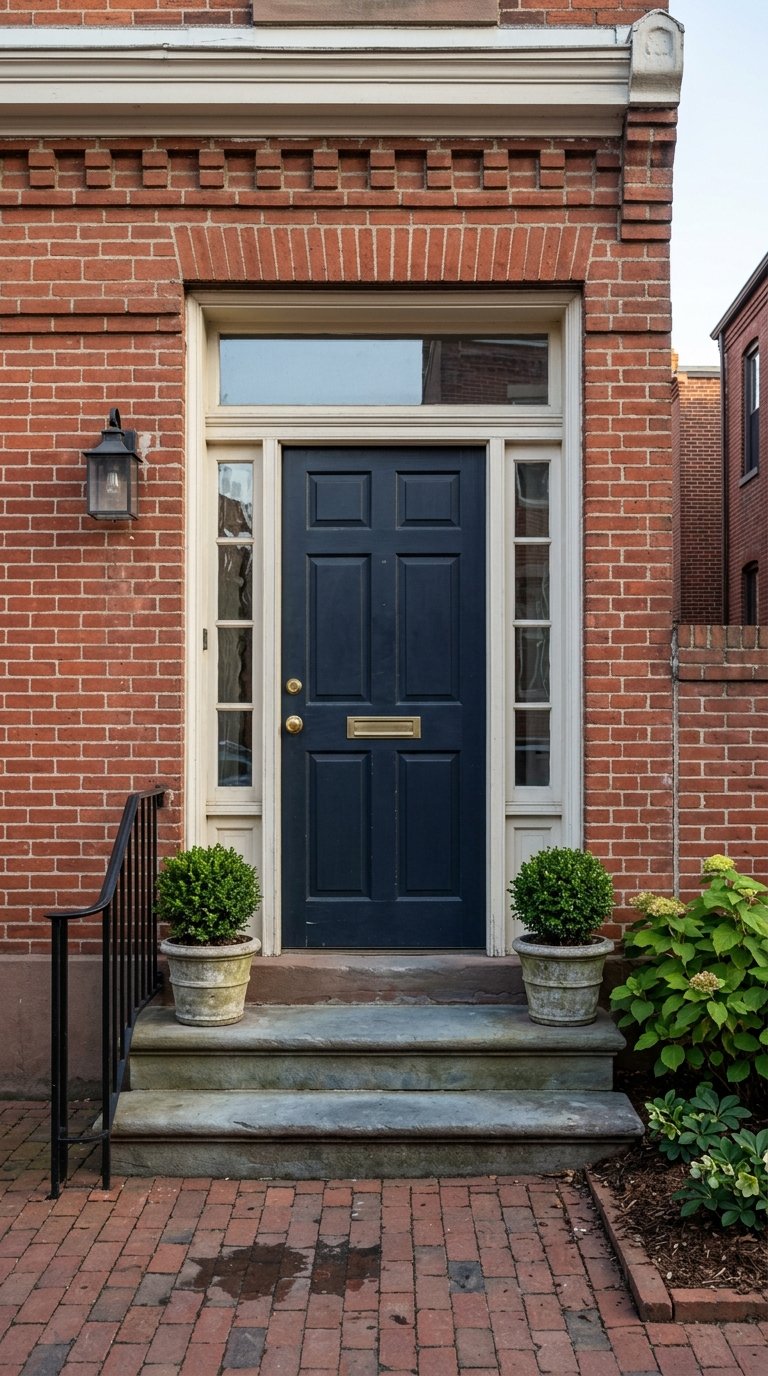
If you own a historic home in Downtown Frederick, selling it is rarely as simple as fresh paint and a sign in the yard. You want to protect your home’s character, avoid surprises, and give buyers clear answers about what they are purchasing. The good news is that with the right prep, you can position your property confidently and make the process feel far more manageable. Let’s dive in.
Why selling a historic home is different
In Downtown Frederick, the key issue is usually not the age of the home itself. It is whether the property sits within the local Historic Preservation Overlay zone and whether past or planned exterior work needed review or approval from the City.
That distinction matters. The City of Frederick treats exterior changes in the local historic district differently than a simple old-house sale, and work beyond routine maintenance may require Historic Preservation Commission approval and a zoning permit. The review focuses on exterior compatibility, materials, and design, not the interior layout of the home.
Another point that often causes confusion is National Register status. In Frederick, National Register listing is honorary and does not, by itself, restrict private owners from selling, maintaining, or altering a property. Local historic district rules are the part that sellers need to understand most clearly.
Start with designation and paperwork
Before you make updates or go live on the market, confirm whether your property is in the local historic district. This is one of the most useful first steps because it shapes how you should approach repairs, pricing discussions, and buyer questions.
Next, gather your records. If your home had exterior work completed in recent years, pull together Historic Preservation Commission approvals, building permits, zoning permits, invoices, receipts, and before-and-after photos if you have them.
That paper trail can make a big difference during a sale. Buyers often feel more comfortable when they can see that exterior improvements were handled properly and documented clearly.
What to collect before listing
- Historic Preservation Commission approvals
- Building and zoning permits
- Scope of work documents
- Photos of completed work
- Invoices and receipts
- Proof of payment for qualified work
- Product literature, if applicable
- Any historic tax credit paperwork
- Lead-based paint disclosure materials, if applicable
Review the full exterior carefully
With a historic home, it is smart to look beyond curb appeal alone. A pre-listing review should include the roofline, masonry, windows, doors, porch or stoop, chimneys, gutters, downspouts, fences, paving, lighting, and other exterior site features.
This is important because the City’s review criteria consider more than just what faces the street. Exterior changes may still be reviewed even when they are not visible from a public way, so rear-yard work or side additions are not automatically exempt.
If you notice past work that may have changed original materials or historic features, it is worth sorting that out early. A proactive review can help you avoid delays once a buyer starts asking questions.
Know which updates are usually safer
If you are thinking about minor pre-listing touch-ups, focus on routine maintenance first. In Frederick’s historic district, that is generally the lowest-risk category of work because it does not alter the building’s exterior character or historic fabric.
Examples the City gives include reattaching loose downspouts, replacing broken glass, and replacing deteriorated flashing. Interior work and ordinary paint-color changes also generally do not need Historic Preservation Commission review.
For many sellers, this means your best return may come from careful repair, cleaning, and presentation rather than major exterior changes. Historic homes often show best when original details are preserved and maintained, not replaced unnecessarily.
Smart pre-listing updates to consider
- Repair loose gutters or downspouts
- Replace broken glass
- Address deteriorated flashing
- Clean and maintain masonry carefully
- Refresh interiors where needed
- Improve presentation with decluttering and staging support
Be cautious with major exterior changes
Some projects can create more risk than value if you start them right before listing. In Downtown Frederick, window replacement, masonry work, porch reconstruction, dormer changes, and roof alterations all deserve extra caution.
For example, Frederick’s guidelines say painting unpainted historic masonry is generally not approved unless needed to stabilize deteriorating brick. The guidelines also caution against removing paint from brick if doing so would damage the masonry.
Windows are another big one. Replacement windows are reviewed individually, and wood openings generally need wood replacements. Vinyl or clad windows are generally not approved in place of wood windows.
The same careful thinking applies to porches and rooflines. The guidelines discourage conjectural porches and front-facing dormers without supporting evidence, and they emphasize retaining the roof form and character-defining roof features.
Projects to review before starting
- Painting unpainted brick
- Removing paint from historic masonry
- Replacing original wood windows
- Rebuilding or redesigning porches
- Adding or altering dormers
- Changing roof shape or character-defining roof details
- Exterior work in rear or side areas
No matter how minor a project may seem, do not assume it is exempt. Exterior work should not begin until the proper approval process is complete and required permits are in place.
Lead-paint disclosures matter
Because many Downtown Frederick homes were built before 1978, lead-based paint is an important part of pre-listing prep. If your home falls into that age range, you should assume lead-based paint may be present unless testing shows otherwise.
Before the sale, federal law requires sellers to disclose known lead-based paint and known lead hazards, provide available reports, and give buyers an opportunity to conduct an inspection. If you are planning repairs or repainting before listing, lead-safe practices are worth addressing early.
This is one of those details that can feel administrative, but it is a key part of building trust. When buyers receive complete and organized disclosure materials, the transaction tends to feel smoother and more transparent.
Historic tax credit records can help
If your property had approved exterior work, your tax credit file may also be useful during the sale. The City’s historic-preservation tax-credit guidance notes that qualifying work is exterior-only and usually requires prior approval and permits unless it falls on the minor rehabilitation list.
A complete file may include invoices, receipts, proof of payment, photos, and permit numbers. If a buyer asks how certain work was handled, this documentation can help support your answers.
The City also notes that its historic property tax credit may be transferable if the property is sold before the credit is fully claimed. If that applies to your situation, it is worth organizing the related paperwork early.
Market the home with accuracy and confidence
Historic homes attract buyers for many reasons, but accuracy matters. The safest marketing language is specific, factual, and based on documentation rather than assumptions.
If the home is locally designated, say that clearly. If it is part of the National Register district, describe that accurately too, but do not imply that National Register status alone restricts private changes.
When highlighting features, focus on what you can verify. Strong listing details may include historic windows, original masonry, preserved doors or hardware, porch details, roof shape, and approved preservation work.
It also helps to frame the property as both historic and functional. Frederick’s rules are designed to preserve exterior character while still allowing compatible rehabilitation, which can reassure buyers who want charm without assuming the home must remain frozen in time.
A strong seller packet may include
- Historic district designation information
- Historic Preservation Commission approvals
- Building and zoning permits
- Recent photos
- Invoices and receipts
- Tax credit paperwork
- Lead-based paint disclosure forms
- Notes on verified character-defining features
Presentation still matters
Even with a historic property, great presentation plays a major role in your result. Clear photography, thoughtful staging, and a clean story around the home’s condition and documentation can help buyers appreciate both the home’s character and the care you have put into it.
That is especially true in Downtown Frederick, where buyers may compare multiple older homes with very different levels of upkeep and paperwork. A well-prepared listing helps your home stand out for the right reasons.
If you are not sure where to start, a local strategy matters. The right plan balances preservation rules, buyer expectations, and modern marketing so your home feels special, not complicated.
Selling a historic home in Downtown Frederick takes a little more homework, but it can absolutely be done with confidence. If you want local guidance on pricing, presentation, paperwork, and marketing strategy, Stacy Allwein is here to help you move forward with clarity.
FAQs
What makes selling a historic home in Downtown Frederick different?
- The biggest difference is that homes in the local historic district may be subject to City review for exterior work, permits, and Historic Preservation Commission approval.
Does National Register status restrict the sale of a Frederick home?
- No. National Register listing is honorary and does not, by itself, restrict private owners from selling or altering a property.
Does the City of Frederick review interior renovations in historic homes?
- No. The City’s historic review focuses on exterior features, not the interior arrangement of the home.
Can I replace windows before listing a historic home in Downtown Frederick?
- Possibly, but window replacements are reviewed carefully, and wood openings generally need wood replacements rather than vinyl or clad windows.
Do backyard or rear exterior projects need review in Downtown Frederick?
- Sometimes. Exterior work that is not visible from a public way can still require review, even if the Commission may be more flexible in less visible areas.
What paperwork should I gather before selling a historic home in Frederick?
- Start with Historic Preservation Commission approvals, building and zoning permits, invoices, receipts, photos, tax credit records, and lead-based paint disclosure materials if applicable.