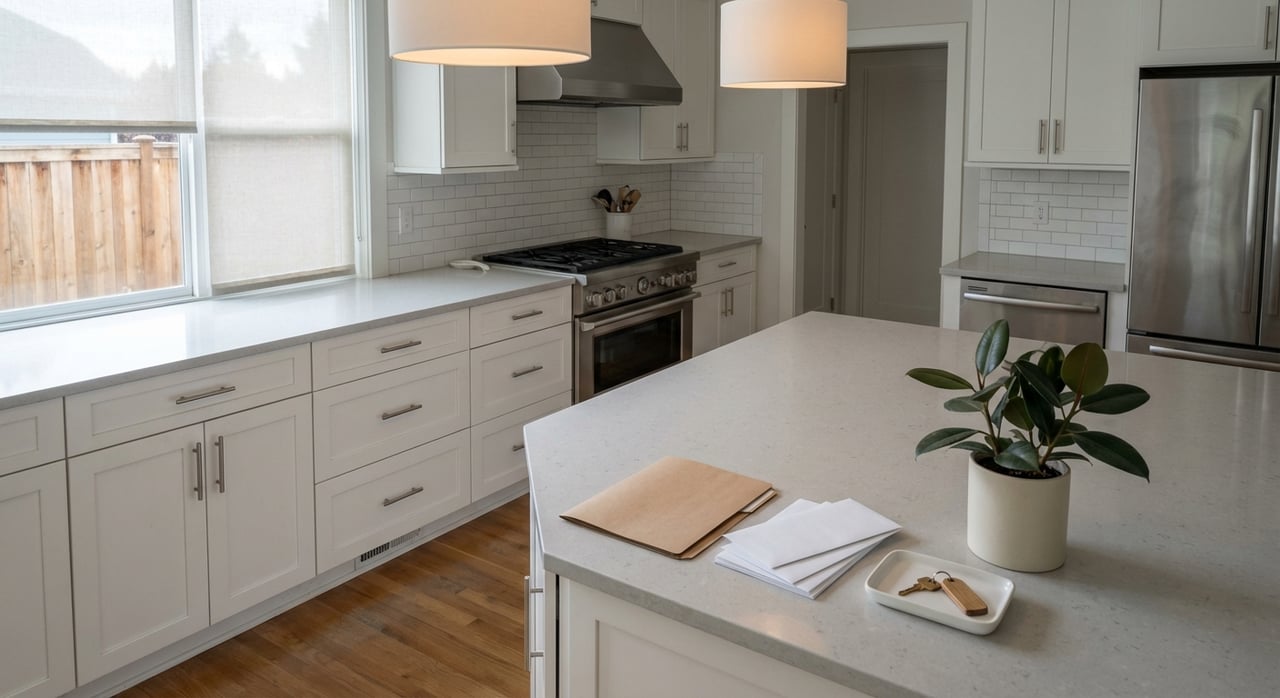
Thinking about selling your Downtown Frederick home but unsure where to set the price? You are not alone. In a walkable, historic neighborhood like downtown, the right list price can spark showings, drive multiple offers, and protect your bottom line. This guide gives you clear, local strategies to price with confidence, avoid costly missteps, and move from just listed to just sold. Let’s dive in.
Why pricing Downtown Frederick is different
Downtown Frederick is a unique micro-market. Historic homes, rowhouses, and condos sit close to restaurants, Carroll Creek Park, and the Transit Center. That mix creates different price-per-square-foot patterns than the wider city or county and can shift how buyers value your home. Public market snapshots also vary by boundary and methodology, so the best practice is to lean on your agent’s MLS-backed analysis through the Frederick County Association of REALTORS for the most current numbers. You can always confirm timing and dataset with FCAR.
Regional reports also point to shifting conditions. Bright MLS noted record prices paired with rising inventory in 2025, which puts a premium on accurate initial pricing and smart execution. You can see that wider Mid-Atlantic trend in this market update.
Pick your pricing strategy
Price at market
This is the classic, competitive approach: price your home based on recent closed sales and pending contracts for very similar nearby properties. It works well when you want a timely sale without creating appraisal risk or buyer skepticism. It is also the best path when the data clearly supports your value.
Price slightly below to spark bidding
If inventory is tight and buyer activity is strong for your property type, listing just under likely market value can widen exposure and encourage multiple offers. The goal is to create urgency and let buyers bid the price up. This tactic should be backed by fresh comps and real showing data so you are not leaving money on the table.
Price high and reduce
Starting high to “leave room to negotiate” often backfires. Homes that linger see more visible price cuts and can lose negotiating power over time. In a moderating market with more inventory, plan for accuracy up front rather than a series of reductions that erode perceived value.
Nail the details that protect your price
Historic district rules and documentation
Much of Downtown Frederick sits within a Historic Preservation Overlay. The City’s Historic Preservation Commission must approve most exterior work that is visible from the street, aside from minor rehabilitation. Buyers weigh those factors when considering your price because permitting and materials can add time or cost. If you have completed exterior work, document approvals and permits, and point interested buyers to incentives that may offset costs. Review the city’s process on the Historic Preservation page and share the Downtown Frederick Partnership’s resident and contractor guides.
Age-related disclosures
Many downtown homes were built before 1978, so federal law requires a lead-based paint disclosure and offers buyers time to test. Clear, complete paperwork reduces uncertainty and can keep negotiations on track. Learn more from the EPA’s guidance on the Lead-Based Paint Disclosure Rule.
Pre-list inspection and thoughtful staging
A targeted pre-list inspection helps you decide whether to fix high-impact items or price accordingly if you will sell as-is. Pair that with professional staging to help buyers see themselves in the space. National research from NAR reports that staging often reduces time on market and can support stronger offers. See the highlights in NAR’s staging report.
Appraisal and financing readiness
If your accepted contract lands well above recent comps, be ready for appraisal questions. A low appraisal can trigger renegotiation or require added buyer cash. Support your value with a professional CMA, permits, receipts for upgrades, and strong comparable sales to reduce risk.
Micro-location factors that move value
Walkability and amenities premium
Proximity to Carroll Creek Park, Market Street dining, shops, breweries, and cultural venues like the Weinberg Center often commands a premium. Downtown Frederick’s national recognition for urban design and placemaking underscores why buyers value the area. For context on what makes the neighborhood special, see the Downtown Frederick profile.
Transit and commuting access
Downtown’s Transit Center and weekday MARC Brunswick Line service make it attractive to commuters who want both rail access and a walkable lifestyle. If your home is close to the Transit Center, highlight that in your pricing narrative and marketing. You can point buyers to this MARC travel overview as an introduction to service.
Events and demand cadence
First Saturdays, festivals, and frequent performances draw steady foot traffic downtown. That energy can boost interest in smaller condos and some investor-friendly options where allowed. Use the local calendar to understand buyer demand cycles and to plan your launch. The events landscape is easy to scan through this Frederick events guide.
Incentives that offset costs
If your property qualifies for historic rehabilitation credits and you have completed or scoped work, that can support a higher asking price by reducing a buyer’s net cost. Share program details and documentation from the Downtown Frederick Partnership’s grants and incentives page.
Timing, price bands, and launch tactics
Smart list prices consider how buyers search online. Many buyers filter by round-number price bands, so positioning just below a common threshold can increase your exposure in saved searches. The first two weeks on market are crucial for generating momentum, so price for traction from day one. For timing, large data reviews have found that a mid-week launch often boosts weekend showings. See this discussion of list timing from RealTrends. If you need a reduction, make one meaningful adjustment based on clear market signals rather than several small cuts that dilute interest.
A ready-to-use pre-list pricing checklist
- Ask for a hyper-local CMA using 60–90 days of closed and pending sales within the same downtown blocks. Confirm the dataset with FCAR.
- Check historic overlay status and plan any exterior updates with the City’s Historic Preservation guidelines. Gather permits and approvals.
- Prepare required lead-based paint disclosure if built before 1978. Review the EPA’s rule summary.
- Order a targeted pre-list inspection and address high-impact items. Keep repair receipts and permits for your listing packet.
- Invest in professional photography and consider staging. NAR data shows staging can reduce time on market. See the NAR staging report.
- Plan your go-live for mid-week to maximize first-week showings. Learn more about timing from RealTrends.
- Build a buyer’s agent packet with comps, inspection summary, permits, lead-disclosure forms, and any historic rehab credit documentation. You can find program info on Downtown Frederick grants.
Partner with a local expert
Pricing a Downtown Frederick home well means blending real-time data, historic-district know-how, and thoughtful presentation. You do not have to figure it out alone. The Allwein Team pairs deep neighborhood expertise with modern marketing, staging referrals, and polished photography to help you price with confidence and sell well. Ready for a pricing consult tailored to your block and property type? Connect with Stacy Allwein to get started today.
FAQs
How should I choose a list price for a Downtown Frederick home?
- Anchor your ask to a hyper-local CMA using recent closed and pending sales near your property, then adjust for condition, historic approvals, and micro-location advantages like Transit Center proximity.
Will underpricing help me sell faster in Downtown Frederick?
- Slight underpricing can work when inventory is tight and demand is strong for your property type, but it should be backed by fresh comps and showing data so competitive interest bids your price to market or better.
How long will a Downtown Frederick home stay on the market?
- Days on market vary by property type and price band; use your agent’s MLS data at the time of listing and confirm with FCAR to set realistic expectations for your micro-neighborhood.
Do historic district rules affect my price and timeline?
- Yes, exterior work often needs Historic Preservation Commission approval, which buyers factor into cost and timing; documented permits and links to incentives from the City’s HPC can support a stronger price.
Will staging help in a downtown rowhouse or condo?
- NAR research shows staging often reduces time on market and can improve offers, especially in smaller or unique spaces where buyers benefit from visual cues; see the NAR staging report.
What if the appraisal comes in low on my Downtown Frederick sale?
- Be ready with documented comps, permits, and upgrade receipts to support value; outcomes include renegotiation, buyer cash to bridge the gap, or a reconsideration of value supported by strong local data.